Embark on extraordinary adventures with our tailored travel experiences, designed for your enjoyment.
Embark on extraordinary adventures with our tailored travel experiences, designed for your enjoyment.
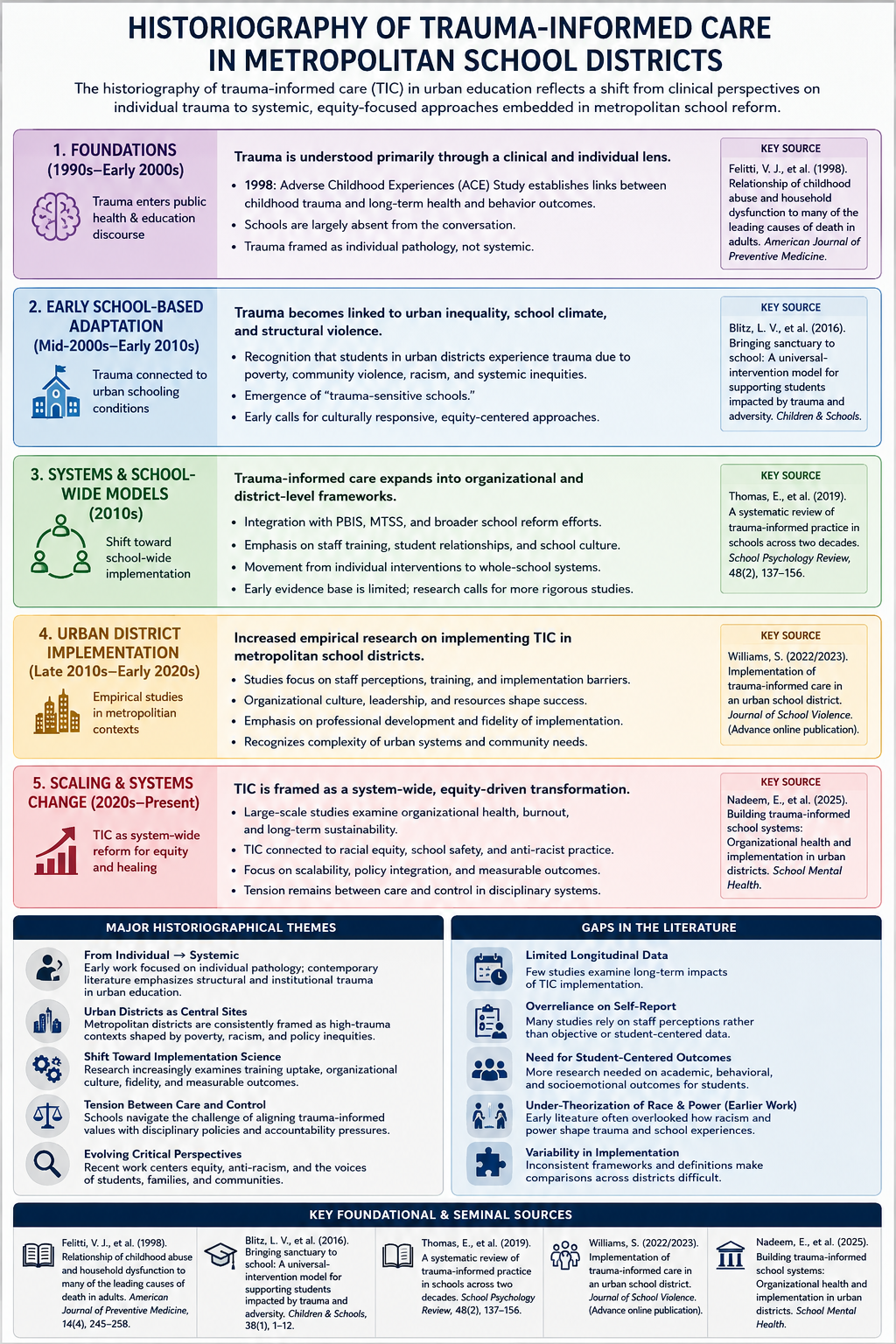
The Gap this study addresses is not simply the absence of Milwaukee-specific data, though the absence is significant and real. The deeper gap is epistemological: the existing literature on trauma education is predominately outcome focused, measuring the effects of TIE programs on attendance, disciplinary incidents, and standardized test performance ( Berardi & Morton, 2019; Brunzell et al., 2016; Shim & Vent, 20250. This outcome-focused approach, while valuable, cannot answer the question of why implementation succeeds or fails in a specific context. Those outcomes are downstream of the meaning-making process that drives or impedes educator behavior. Prior research has established that trauma-informed practices work when they are implemented correctly. It is not adequately theorized or empirically examined how teachers in high-adversity, resource-constrained, urban schools constrict the professional beliefs, relational capacities, and contextual understandings that make sustained implementation possible.
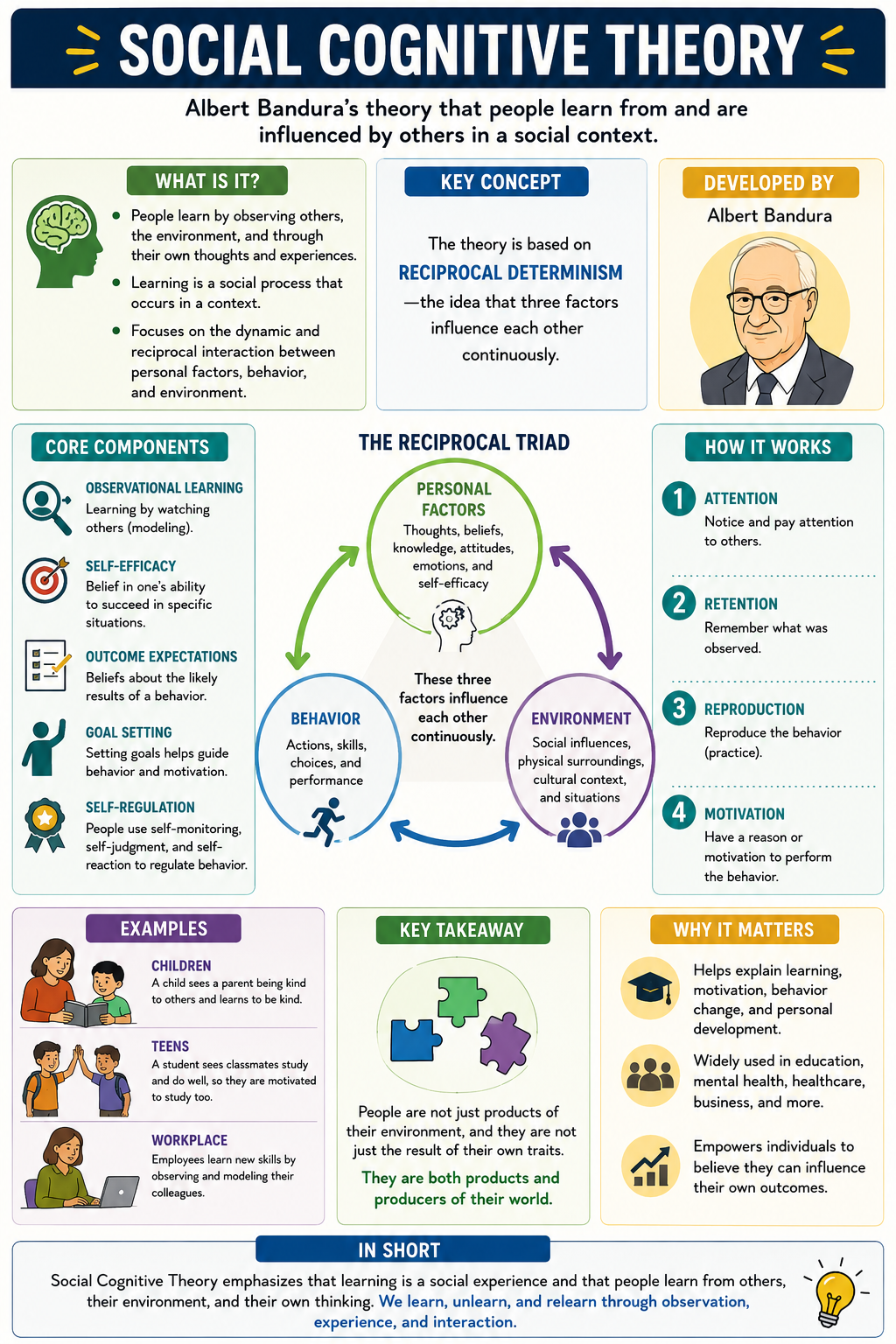
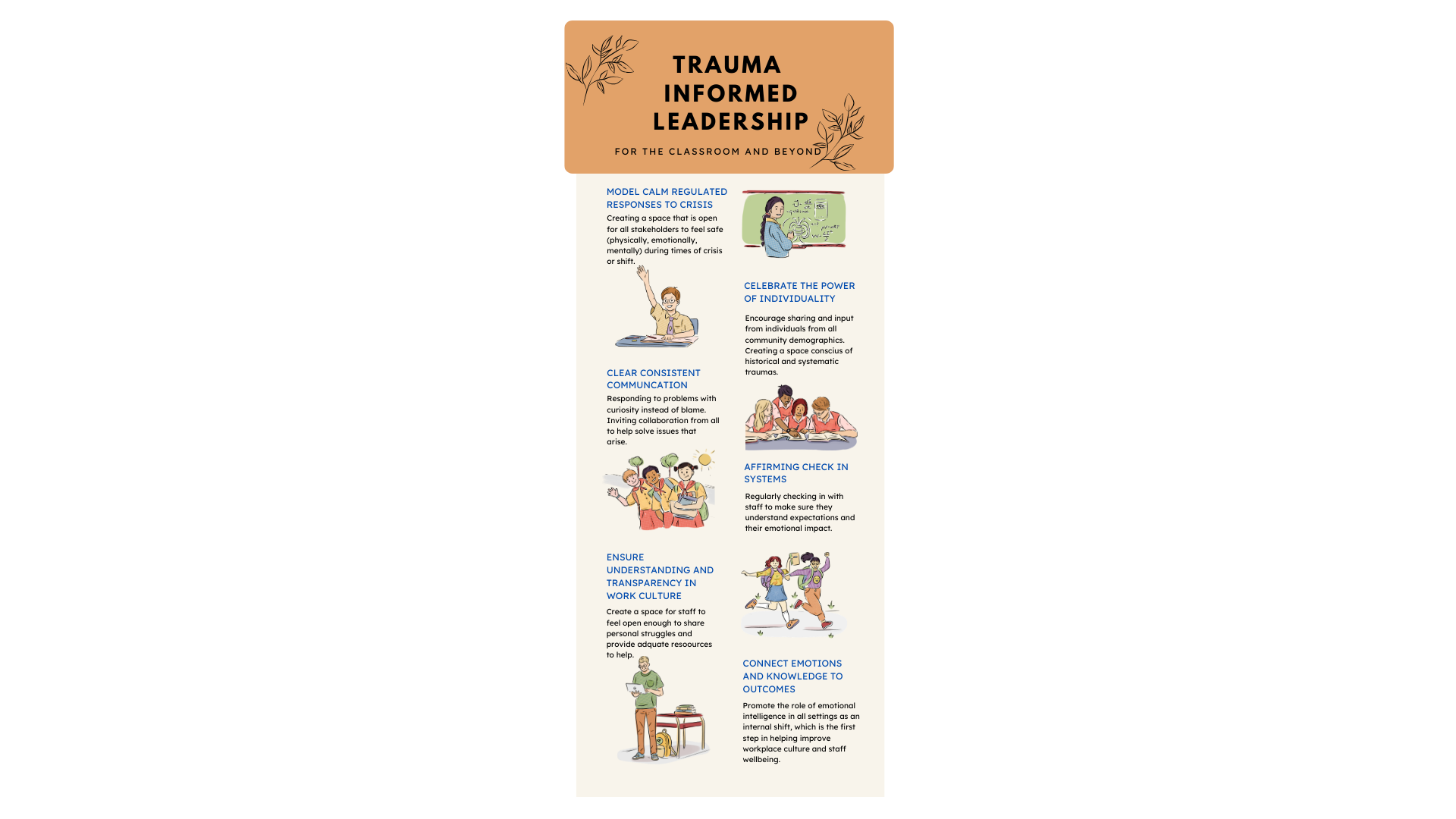
Scholarly Posters
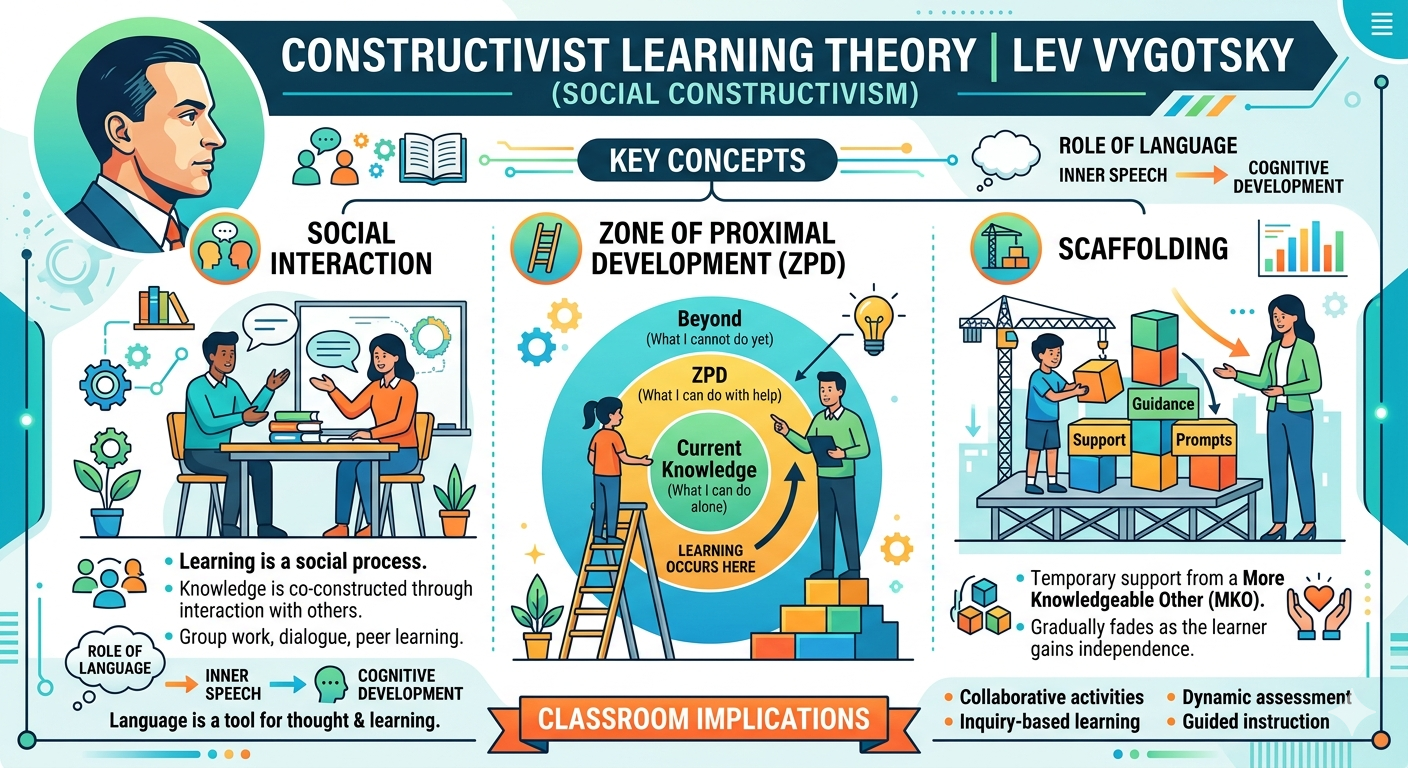
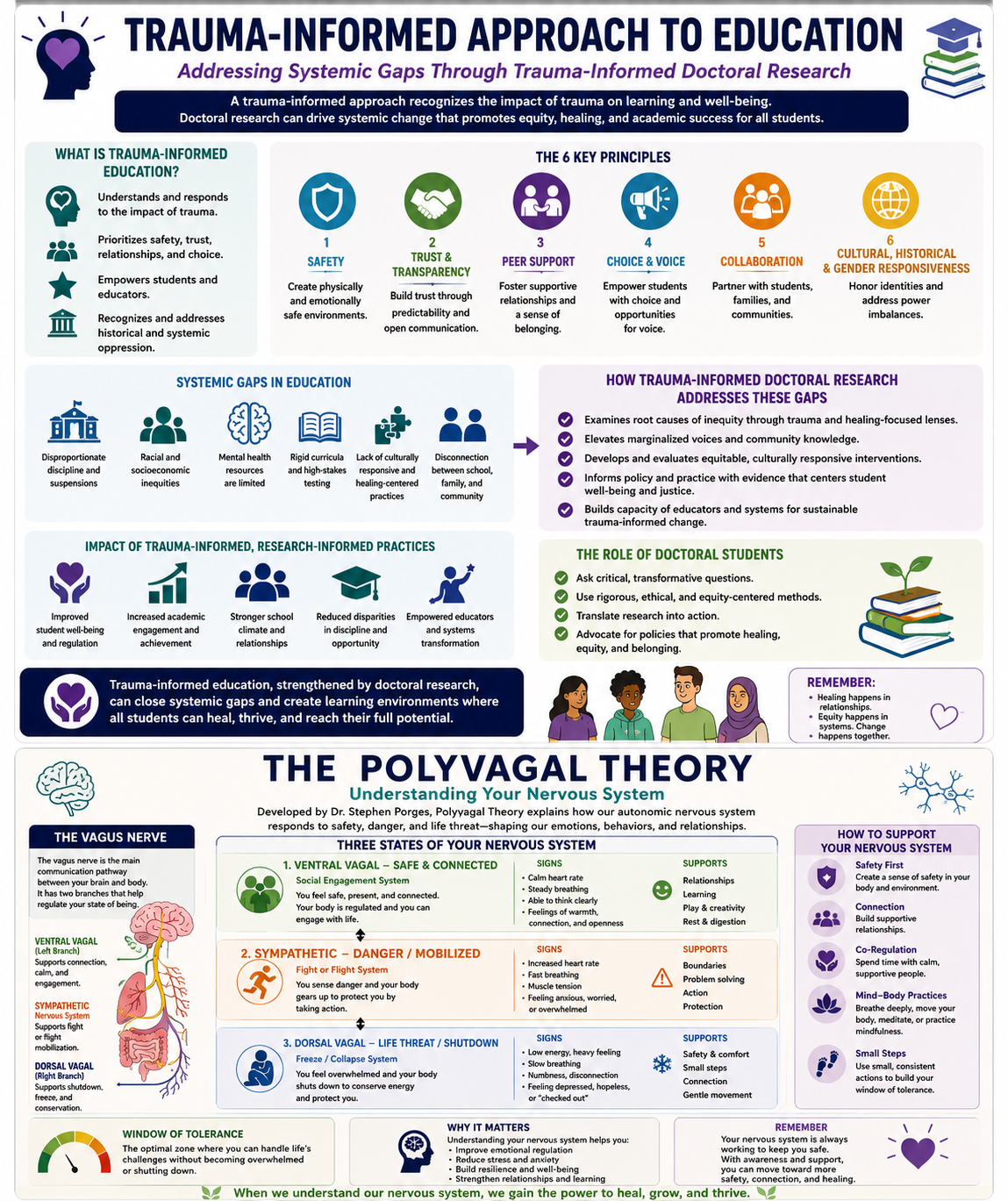
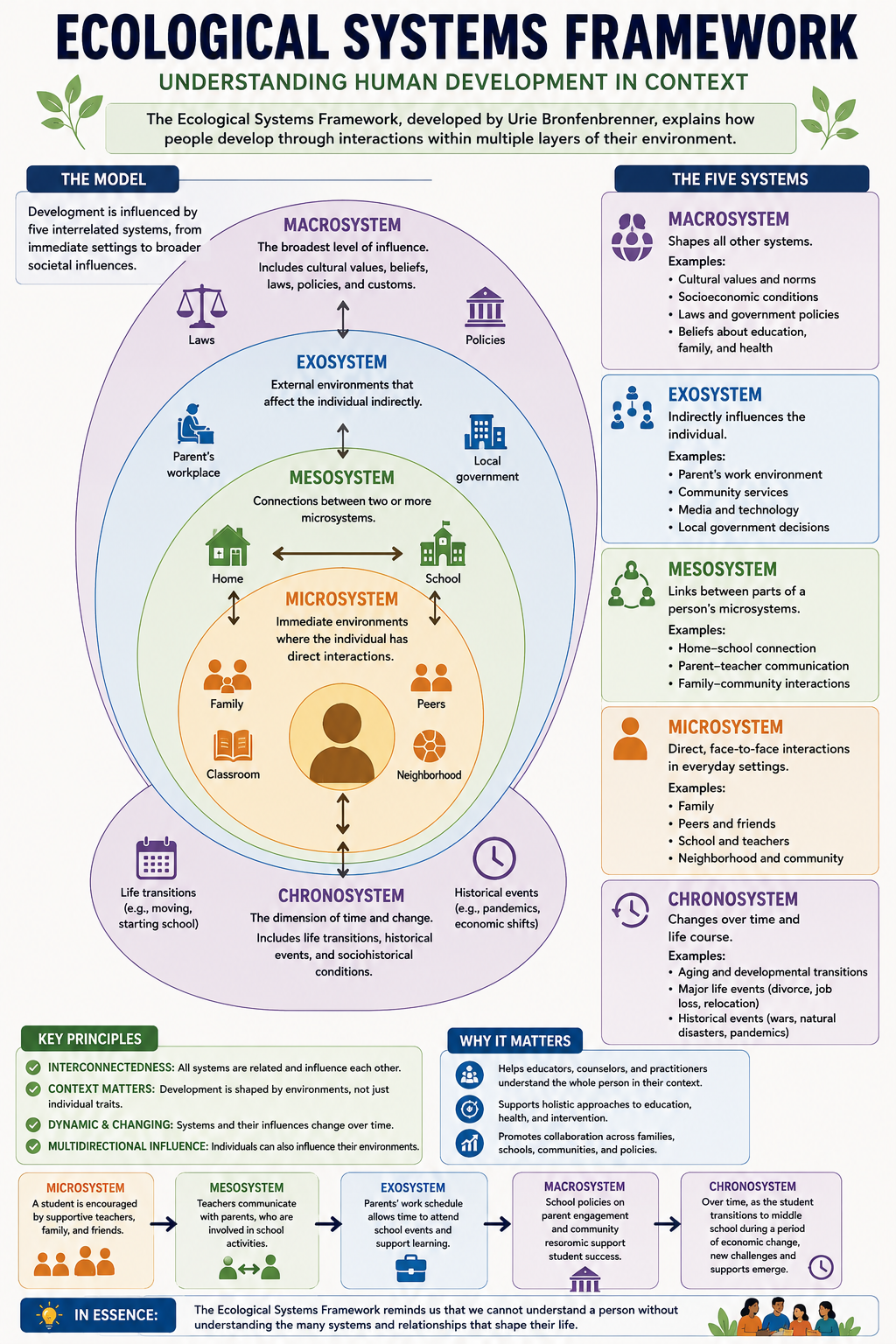
A curated collection of visual research findings exploring trauma-informed methodologies and the ecological systems of urban education.