
Understanding Trauma-Informed Education in Milwaukee Schools

Trauma-informed education is a crucial approach that recognizes the impact of trauma on students' learning and behavior. In Milwaukee, schools are increasingly adopting this framework to create supportive environments that foster resilience and academic success. This blog post explores the principles of trauma-informed education, its significance in Milwaukee schools, and practical strategies for implementation.
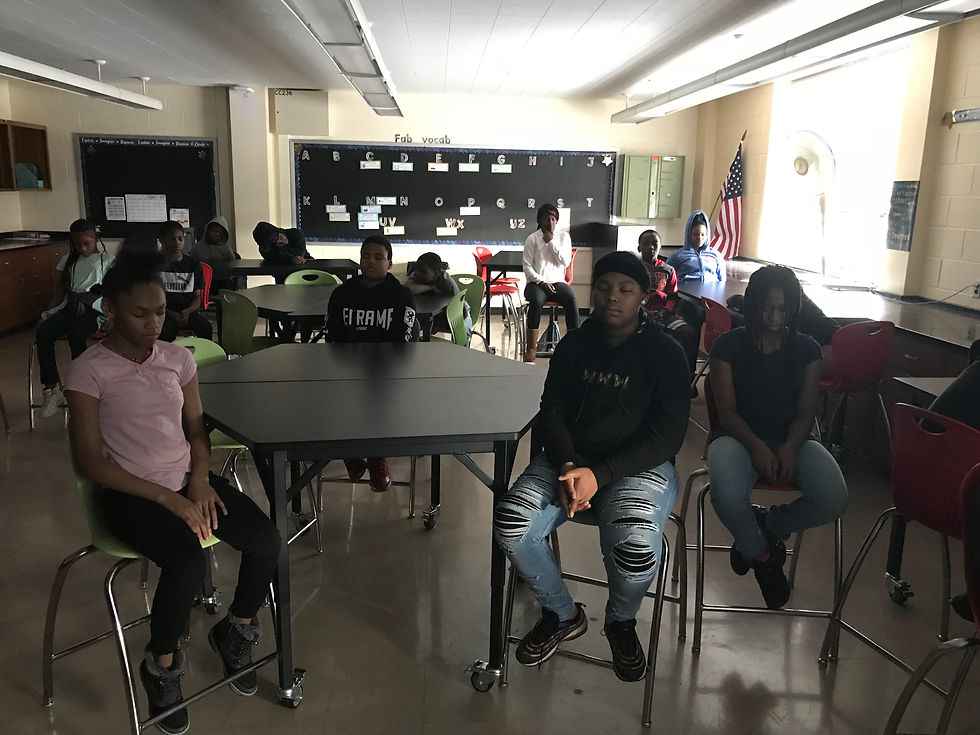
What is Trauma-Informed Education?
Trauma-informed education is an approach that acknowledges the prevalence of trauma among students and its potential effects on their learning and behavior. This framework is built on the understanding that trauma can stem from various sources, including:
Abuse and neglect: Experiences of physical, emotional, or sexual abuse can deeply affect a child's ability to learn.
Community violence: Exposure to violence in neighborhoods can create a sense of fear and instability.
Family disruption: Events such as divorce, incarceration, or substance abuse can lead to emotional turmoil for children.
The goal of trauma-informed education is to create a safe and supportive learning environment that promotes healing and academic achievement. This approach shifts the focus from "What is wrong with you?" to "What happened to you?"
The Importance of Trauma-Informed Education in Milwaukee
Milwaukee has faced significant challenges related to trauma, including high rates of poverty, violence, and systemic inequities. According to the Milwaukee Public Schools (MPS) data, a substantial number of students have experienced trauma, which can hinder their academic performance and social-emotional development.
Implementing trauma-informed practices in Milwaukee schools is essential for several reasons:
Improved Academic Outcomes: Students who feel safe and supported are more likely to engage in learning and achieve better academic results.
Enhanced Social-Emotional Skills: Trauma-informed education fosters resilience, empathy, and interpersonal skills, which are vital for students' overall development.
Reduction in Behavioral Issues: By understanding the root causes of challenging behaviors, educators can respond more effectively, reducing disciplinary actions and fostering a positive school climate.
Key Principles of Trauma-Informed Education
Trauma-informed education is grounded in several key principles that guide educators in creating supportive environments:
Safety
Creating a physically and emotionally safe environment is the foundation of trauma-informed education. This includes:
Establishing clear expectations and routines.
Providing a calm and welcoming classroom atmosphere.
Ensuring that students feel secure and respected.
Trustworthiness and Transparency
Building trust with students is essential. Educators should:
Be open about classroom rules and expectations.
Communicate clearly and consistently with students and families.
Involve students in decision-making processes to foster a sense of ownership.
Peer Support
Encouraging peer relationships can help students feel connected and supported. Schools can promote peer support through:
Group activities and collaborative learning.
Mentorship programs that pair older students with younger ones.
Opportunities for students to share their experiences in a safe space.
Collaboration and Empowerment
Empowering students to take an active role in their education is vital. Educators can:
Encourage student voice in classroom discussions.
Provide choices in assignments and projects.
Involve families and community members in the educational process.
Cultural, Historical, and Gender Issues
Recognizing and respecting the diverse backgrounds of students is crucial. Educators should:
Incorporate culturally relevant materials and perspectives into the curriculum.
Be aware of the historical context of trauma in different communities.
Address gender issues and promote inclusivity in the classroom.
Practical Strategies for Implementing Trauma-Informed Education
Implementing trauma-informed practices requires intentionality and commitment. Here are some practical strategies that Milwaukee schools can adopt:
Professional Development for Educators
Training teachers and staff on trauma-informed practices is essential. Professional development can include:
Workshops on understanding trauma and its effects on learning.
Strategies for creating safe and supportive classroom environments.
Techniques for building strong relationships with students.
Incorporating Social-Emotional Learning (SEL)
Integrating SEL into the curriculum can help students develop essential skills. Schools can:
Teach emotional regulation and coping strategies.
Provide opportunities for students to practice empathy and conflict resolution.
Use restorative practices to address behavioral issues and promote healing.
Creating Safe Spaces
Designating safe spaces within schools can provide students with a refuge when they feel overwhelmed. These spaces can include:
Quiet rooms for students to decompress.
Counseling offices where students can receive support.
Areas for group discussions and peer support.
Engaging Families and Communities
Building strong partnerships with families and communities is vital for supporting students. Schools can:
Host workshops and informational sessions for families on trauma and its impact.
Involve community organizations in providing resources and support.
Create communication channels for families to share their concerns and needs.
Monitoring and Assessment
Regularly assessing the effectiveness of trauma-informed practices is essential for continuous improvement. Schools can:
Collect feedback from students, families, and staff on the impact of trauma-informed initiatives.
Monitor academic and behavioral outcomes to identify areas for growth.
Adjust strategies based on data and feedback to better meet the needs of students.
Success Stories from Milwaukee Schools
Several schools in Milwaukee have successfully implemented trauma-informed practices, leading to positive outcomes for students. For example:
School A: After adopting trauma-informed strategies, School A reported a significant decrease in disciplinary incidents and an increase in student engagement. Teachers received training on recognizing trauma and responding effectively, which helped create a more supportive environment.
School B: School B integrated social-emotional learning into its curriculum, resulting in improved relationships among students and staff. The school also established a peer mentoring program that fostered connections and support among students.
These success stories highlight the potential of trauma-informed education to transform the learning experience for students in Milwaukee.
Challenges and Considerations
While the benefits of trauma-informed education are clear, there are challenges to consider:
Resource Limitations: Schools may face budget constraints that limit their ability to provide training and support.
Resistance to Change: Some educators may be hesitant to adopt new practices, requiring ongoing support and encouragement.
Complex Needs of Students: Each student's experience with trauma is unique, necessitating individualized approaches.
Addressing these challenges requires collaboration among educators, administrators, and community stakeholders to create a sustainable framework for trauma-informed education.
The Future of Trauma-Informed Education in Milwaukee
As awareness of trauma-informed education continues to grow, Milwaukee schools have the opportunity to lead the way in creating supportive learning environments. By prioritizing the needs of students and implementing effective strategies, schools can foster resilience and academic success.
Educators, families, and community members must work together to ensure that every student has the support they need to thrive. This collaborative effort can pave the way for a brighter future for Milwaukee's youth.
In summary, trauma-informed education is not just a trend; it is a necessary approach to address the challenges faced by students in Milwaukee. By understanding the impact of trauma and implementing supportive practices, schools can create environments where all students can succeed.
Call to Action
If you are an educator, parent, or community member, consider how you can contribute to the implementation of trauma-informed practices in your local schools. Engage in conversations, advocate for resources, and support initiatives that prioritize the well-being of students. Together, we can make a difference in the lives of Milwaukee's youth.

Comments